

What are the different types of teeth whitening?
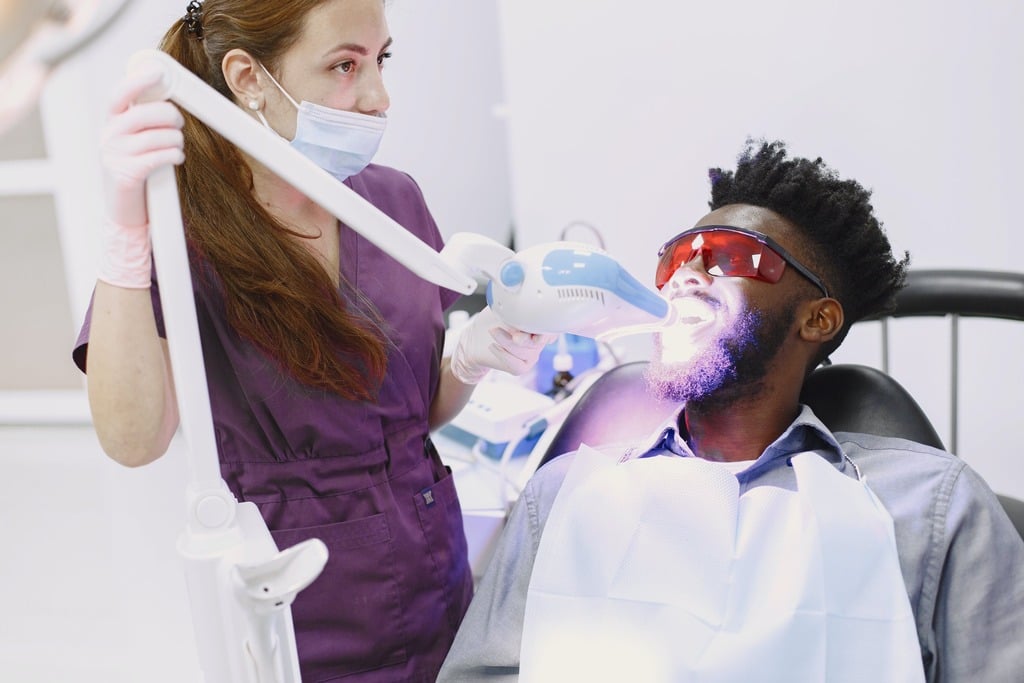
Teeth whitening offers numerous benefits, including removing stains caused by food, drinks, and smoking. This not only improves the color of your teeth but also contributes to a more confident you. Having a bright and white smile can make you feel more attractive, which in turn can boost your self-esteem and confidence.
Causes of tooth discoloration
There are several reasons why teeth can become discolored, often resulting in a less-than-ideal smile. The following are some common causes of tooth discoloration to be aware of.
Surface stains from food and beverages
Surface stains from food and beverages can be effectively managed by following a few simple steps. First, it is essential to brush your teeth twice a day using a whitening toothpaste to help remove surface stains and prevent further discoloration. Additionally, avoiding or minimizing the consumption of foods and drinks known to cause staining, such as coffee, tea, red wine, and dark berries, is important. When consuming these items, it is helpful to rinse your mouth with water afterward to minimize the impact of the staining substances.
In addition to these steps, it is advisable to consult with your dentist for professional advice on managing surface stains. Your dentist can provide guidance on the most effective whitening toothpaste and recommend professional treatments if the surface stains are particularly stubborn.
Tobacco use
Regular tobacco use can negatively affect oral health, including causing stains on your teeth. These stains can make achieving the desired whitening results more challenging, whether using a professional whitening kit or other methods. The chemicals in tobacco can permeate the enamel of your teeth, leading to deep, stubborn stains that may not respond as effectively to whitening treatments.
If you are a regular tobacco user and are looking to whiten your teeth, it’s essential to understand the impact that tobacco can have on the effectiveness of whitening treatments. In order to achieve the best results, it is highly recommended to reduce or quit tobacco use. Not only will this help with the effectiveness of the whitening process, but it will also improve your overall oral health and reduce your risk of gum disease and oral cancer.
Aging and natural yellowing of teeth
As we age, a natural aging process causes various changes in our bodies, including the yellowing of our teeth. Over time, the enamel on our teeth wears down due to normal use, brushing, and chewing. This gradual deterioration of the enamel exposes the yellowish dentin underneath, leading to the yellowing of teeth.
In addition to aging, lifestyle factors can also contribute to the yellowing of teeth. Smoking, drinking coffee, and consuming acidic foods can all stain the enamel and contribute to discoloration. These habits can accelerate the natural yellowing process and lead to more noticeable changes in the color of our teeth.
While aging plays a significant role in the yellowing of teeth due to enamel deterioration and dentin exposure, it’s important to be mindful of our lifestyle choices to minimize additional staining and discoloration. Practicing good oral hygiene, limiting consumption of staining substances, and seeking professional dental care can help maintain the natural whiteness of our teeth despite the effects of aging.
Poor oral hygiene leading to plaque buildup
Proper oral hygiene is crucial in preventing plaque buildup, which can lead to various dental issues. Regular brushing, flossing, and dental check-ups are essential for good oral health. Plaque, a sticky film of bacteria, can accumulate on teeth and gums when proper oral hygiene practices are not followed. This can result in tooth decay, gum disease, and bad breath.
To prevent plaque buildup, brush your teeth at least twice daily with fluoride toothpaste, floss daily to remove food particles and plaque between teeth, and visit the dentist for regular check-ups and cleanings. These habits can help to remove plaque and prevent it from hardening into tartar, which can only be removed by a dental professional.
To maintain good oral hygiene habits and prevent plaque buildup, limiting sugary and starchy foods and beverages is important, as they can contribute to plaque formation. Drinking plenty of water and eating a balanced diet can also help to promote healthy teeth and gums.
By following these oral hygiene tips and maintaining regular dental check-ups, individuals can prevent plaque buildup and the associated consequences of tooth decay, gum disease, and bad breath. Prioritizing oral hygiene is essential for overall dental health and well-being.
Understanding the science behind teeth whitening
Many people desire a brighter, whiter smile and often turn to teeth whitening as a solution. Understanding the science behind teeth whitening is important in order to make informed decisions about this cosmetic procedure. From the composition of tooth enamel to the role of bleaching agents, several scientific factors are at play in the whitening process. By better understanding how teeth whitening works, individuals can better assess the risks and benefits and make informed choices about the most suitable methods for achieving a whiter smile.
Tooth enamel and its role in tooth coloration
Tooth enamel plays a vital role in determining the color of our teeth. Enamel is the outermost layer of the tooth and is responsible for protecting the underlying dentin and pulp. It is also the hardest substance in the human body, but it is translucent, allowing the color of the underlying dentin to show through. Intrinsic discoloration occurs when the dentin becomes discolored, and this can affect the overall color of the tooth due to the translucency of the enamel. Extrinsic discoloration, on the other hand, occurs when the enamel becomes stained from external sources such as coffee, tea, or tobacco.
Various factors, such as genetics, aging, medication, and certain foods, can cause tooth discoloration. Enamel’s makeup, including its thickness and smoothness, can also contribute to tooth color. Moreover, the protective function of enamel is crucial in preventing damage from teeth whitening procedures. Enamel protects the tooth’s inner layers from the harsh chemicals used in whitening treatments, ensuring the tooth remains healthy and strong.
Effectiveness of teeth whitening products on different types of stains
Teeth stains can be categorized into different types, such as extrinsic, intrinsic, and age-related stains. Extrinsic stains appear on the surface of the teeth and are caused by factors such as smoking, certain foods, and beverages. Teeth whitening toothpaste and bleaching agents can effectively address these stains by removing the surface discoloration.
Intrinsic stains, on the other hand, occur below the tooth’s surface and are often caused by factors such as trauma, medications, or excessive fluoride exposure. Professional teeth whitening treatments, including laser whitening and custom-fitted trays with bleaching gels, can effectively address these deeper, more stubborn stains.
Age-related stains are a combination of extrinsic and intrinsic factors that occur over time. Teeth whitening products that contain hydrogen peroxide or carbamide peroxide can effectively address these types of stains by breaking down the stains and restoring the natural color of the teeth.
Consulting a dentist is crucial in determining the type of stains on your teeth before choosing a whitening method. It is important to note that teeth whitening is ideal for people with healthy, unrestored teeth and yellow tones, but it is not recommended for everyone. It is important to consult a dentist to discuss the best approach for addressing teeth stains.
In-Office Teeth Whitening
In-office teeth whitening may be the solution for you. This professional dental treatment is performed in the dentist’s office and can provide significant results in just one visit. Whether you have an upcoming special event or want to improve the overall appearance of your teeth, in-office teeth whitening offers a convenient and efficient way to achieve brighter, whiter teeth.
Light-accelerated bleaching
Light-accelerated bleaching, or power bleaching, is a popular method for whitening teeth. This process involves using a special light or laser to activate the bleaching agent, typically hydrogen peroxide or carbamide peroxide. The ideal energy source for light-accelerated bleaching is blue light, as it has been shown to enhance the effectiveness of the bleaching agent.
During a power bleaching treatment, the dentist will first perform a comprehensive examination of the patient’s teeth and gums to ensure they are suitable candidates for the procedure and to identify any potential issues that may affect the treatment. This may include taking impressions of the teeth to create custom-fitted trays for the bleaching agent.
Once the examination is complete, the bleaching agent is applied to the teeth, and the light or laser is used to accelerate the whitening process. This typically involves several sessions of light activation, with the entire treatment lasting about an hour.
After the treatment, it is important for patients to take precautions to ensure the best results. This may include avoiding foods and drinks that can stain the teeth, such as coffee and red wine, and following any post-treatment instructions provided by the dentist. Regular dental check-ups and cleanings are also recommended to maintain the results of the bleaching treatment.
Nanoparticle catalysts for reduced hydrogen peroxide concentration
Introducing new light-accelerated bleaching agents with titanium oxide nanoparticle-based catalysts has revolutionized the field of dental bleaching. These innovative catalysts are designed to reduce the concentration of hydrogen peroxide in bleaching agents, lowering tooth hypersensitivity commonly associated with traditional bleaching methods.
The mechanism of action of the nanoparticles involves their ability to catalyze the breakdown of hydrogen peroxide into reactive oxygen species, which are responsible for the bleaching process. This catalytic action allows for a more efficient breakdown of hydrogen peroxide, thereby reducing the overall concentration required for effective bleaching.
The use of nanoparticle catalysts in bleaching agents offers several benefits. Firstly, it leads to a reduction in tooth sensitivity, making the bleaching process more comfortable and tolerable for patients.
Additionally, the lower concentration of hydrogen peroxide reduces the risk of adverse effects on tooth enamel and soft tissues in the mouth. Overall, incorporating titanium oxide nanoparticle catalysts in bleaching agents represents a significant advancement in dental bleaching, providing a safer and more effective approach to achieving a brighter smile.
Internal bleaching
Internal bleaching is a process performed after endodontic treatment to address tooth discoloration that occurs due to trauma or a root canal procedure. The procedure involves the placement of a bleaching agent inside the tooth to lighten the discolored area.
To perform internal bleaching, the dentist creates a small opening in the back of the tooth, through which the bleaching agent is placed inside the pulp chamber. The opening is then sealed off to prevent the bleaching agent from leaking out and replaced every few weeks until the desired shade is achieved. The time between appointments varies from patient to patient, depending on the severity of the discoloration.
While internal bleaching is generally considered safe, there is a potential risk of internal root resorption, where the tooth’s root structure is gradually resorbed. This risk is minimized by closely monitoring the bleaching process and ensuring that the bleaching agent is properly sealed inside the tooth. Regular dental check-ups are essential to detect any signs of internal root resorption early on.
At-Home Teeth Whitening
Looking for a brighter, whiter smile without the hefty price tag of professional teeth whitening treatments? At-home teeth whitening kits may be the perfect solution for you. With a range of options and products available, you can easily find a method that fits your budget and lifestyle. Whether you prefer whitening strips, trays, toothpaste, or natural remedies, there are various choices to help you achieve a dazzling smile from the comfort of your home.
Strips and gels
There are various types of teeth whitening strips and gels available on the market, each with its own application methods and recommended usage. Whitening strips are thin, flexible pieces of plastic coated with a whitening gel that is applied directly to the teeth. They are typically worn for 30 minutes to an hour daily over a period of 7-14 days. On the other hand, whitening gels are applied directly to the teeth using a brush or tray and are left on for a specified amount of time, usually ranging from 30 minutes to a few hours.
The key difference between whitening strips and gels is the application method, with strips being more convenient for some users and gels offering a more direct and controlled application. Both products use a bleaching agent, usually hydrogen peroxide or carbamide peroxide, to remove stains and discoloration from the teeth.
The potential benefits of using whitening strips and gels include a significantly brighter smile, improved confidence, and minimal to no sensitivity compared to professional whitening treatments. However, considerations should be made regarding potential gum irritation, uneven whitening, and the need for consistent and proper usage for optimal results.
Rinses
Recommended usage of whitening rinses generally involves rinsing with the product for about 60 seconds twice daily after brushing. For the best results, it is important to avoid eating or drinking for at least 30 minutes after use. Some whitening rinses may recommend a duration of use, such as 12 weeks, before seeing optimal results.
Whitening rinses work by utilizing oxygen sources, such as hydrogen peroxide or carbamide peroxide, to penetrate the tooth enamel and react with the chromogens, which are compounds that cause discoloration. This reaction helps to break down the stains and lighten the appearance of the teeth.
When used as directed, whitening rinses can effectively reduce surface stains and restore a brighter, whiter smile. However, it is important to note that the effectiveness may vary depending on the individual’s specific type of discoloration and the frequency of use.
Overall, whitening rinses can be convenient and relatively affordable for maintaining a brighter smile, especially with a good oral care routine.
Toothpaste
There are two main types of toothpastes available for teeth whitening: regular toothpaste and whitening toothpaste. The main difference between the two is that whitening toothpastes contain specific ingredients designed to help remove surface stains and lighten the color of the teeth over time. These ingredients may include hydrogen peroxide, baking soda, or abrasives like silica. Regular toothpastes, on the other hand, focus more on cleaning and preventing cavities and gum disease.
It’s important to note that while whitening toothpastes can help improve the color of your teeth, they are not as effective as professional teeth whitening treatments. Additionally, some whitening toothpastes may be too abrasive and lead to enamel erosion if used too frequently. Dentists recommend using whitening toothpaste cautiously and not as a substitute for professional teeth whitening. They also advise against whitening toothpaste if you have sensitive teeth or gums, as the ingredients may cause further irritation.
Tray-based
To use tray-based teeth whitening kits, start by obtaining a fitted tray from your dentist. The tray will be custom-made to fit your teeth and will be used to hold the carbamide peroxide bleaching gel. After receiving your tray, apply a small amount of the bleaching gel into the tray and wear it for the recommended duration, typically a few hours each day or overnight, depending on the strength of the gel.
Results from tray-based tooth whitening can typically be seen within a few days to a few weeks, depending on the individual’s tooth discoloration. The timeline for whitening varies, but most people see noticeable improvement within a few weeks of starting treatment.
Some discomfort and sensitivity may occur while using tray-based tooth whitening, especially for those with tooth or gum sensitivity. If this occurs, reducing the frequency of treatments or using a lower concentration of bleaching gel is recommended. It’s important to consult with your dentist if you experience any discomfort during the whitening process.
Overall, tray-based tooth whitening can effectively achieve a brighter, whiter smile with proper and consistent use.
Side Effects of Teeth Whitening
Teeth whitening is a popular cosmetic procedure that helps brighten and enhance a person’s smile. While the results of teeth whitening are often impressive, it’s important to be aware of the potential side effects that can occur. From sensitivity to gum irritation, several common side effects can accompany teeth whitening treatments. Understanding these potential issues can help individuals make informed decisions about whether or not teeth whitening is the right option for them. It’s important to discuss any concerns with a dental professional before undergoing teeth whitening to ensure that the procedure is safe and suitable for individual needs.
Hypersensitivity
Hypersensitivity after tooth whitening can be quite uncomfortable, but there are solutions to help alleviate the symptoms. Toothpaste containing potassium nitrate and sodium fluoride are recommended to help reduce sensitivity. These ingredients work by desensitizing the nerves in the teeth and providing a protective barrier to help prevent pain associated with hot, cold, or sweet stimuli.
It is also important to advise patients to avoid consuming extremely cold, hot, or sweet foods and drinks, as these can exacerbate tooth sensitivity. Additionally, a soft-bristled toothbrush and gentle brushing techniques can help prevent further irritation to the teeth and gums.
It is important to note that there is a lack of evidence for permanent solutions to hypersensitivity after tooth whitening, and a high percentage of individuals experience sensitivity after in-office whitening treatment. Therefore, it is crucial to manage expectations and provide ongoing care and support to patients who may experience prolonged sensitivity.
Irritation of mucous membranes
Hydrogen peroxide in concentrations of 10% or higher poses potential hazards and risks when it comes into contact with mucous membranes and skin. This high concentration can cause chemical burns, irritation, and discoloration of the mucous membranes, especially during bleaching and whitening treatments. Direct exposure to the mucous membranes, such as the gums and oral cavity, can result in temporary burning sensations and discomfort.
Common causes of these issues during bleaching and whitening treatments include using high-concentration hydrogen peroxide solutions and improper placement of the whitening trays or nightguards, leading to solution leakage onto surrounding tissue. To reduce temporary burning sensations, it is important to use custom-made plastic trays or nightguards that fit properly and prevent solution leakage onto surrounding tissue.
It is essential to be cautious when using hydrogen peroxide for whitening treatments, ensuring that it does not come into contact with the mucous membranes. Careful application and custom-made trays or nightguards can help minimize irritation and temporary burning sensations.
Uneven results
Various factors, including surface staining from foods and drinks, inconsistent application of the bleaching agent, and natural variations in tooth color, can cause uneven results after tooth bleaching. To address these issues, it is important to avoid foods and drinks that cause surface staining, such as coffee, tea, red wine, and dark-colored fruits. Additionally, ensuring consistent and thorough application of the bleaching agent can help minimize unevenness.
To achieve a good result from tooth whitening products despite potential unevenness, it is important to follow the instructions provided by the dentist or chosen whitening product. This may include using the product for the recommended duration and frequency and following specific guidelines for managing potential side effects. It is also important to consider professional whitening options, as a dentist can provide personalized recommendations and monitor the process to ensure the best possible results. Taking these steps can help minimize the risk of uneven results while maximizing the effectiveness of tooth whitening.
Return to the original pre-treatment shade
To return to the original pre-treatment shade, it is important to avoid foods and beverages that may cause staining, such as coffee, tea, red wine, and dark berries. These items can quickly mar the results of whitening treatments and hinder returning to the original shade. Additionally, the whitening effect can diminish within seven days due to rebound, in which the teeth gradually return to their previous shade.
Factors contributing to rebound include genetics, smoking, and consuming staining foods and drinks.
It’s vital to understand that various factors, such as lighting, skin tone, and the presence of restorations, can influence tooth color perception. Before undergoing any whitening treatments, a comprehensive examination by a dental professional is crucial to assess the current condition of the teeth and determine the most suitable whitening approach. By addressing these key factors and being mindful of staining foods and drinks, it is possible to maintain and possibly return to the original pre-treatment shade of the teeth.
Over-bleaching
Over-bleaching teeth can lead to a number of potential risks and consequences, including a translucent and brittle appearance. Excessive bleaching can weaken the enamel and cause the teeth to become more porous, leading to a translucent appearance. Additionally, over-bleaching can make the teeth more prone to sensitivity and cracking, resulting in a brittle and fragile appearance.
Common causes of over-bleaching include using treatments that promise rapid changes in a short time and not following the recommended guidelines for bleaching products. Some people may use too much bleach or bleach too frequently, leading to over-bleaching.
To prevent over-bleaching, it’s important to seek professional advice from a dentist or dental hygienist before starting any bleaching treatment. They can guide you on the best approach for your situation and monitor the progress to ensure it is safe. It’s also crucial to follow the proper treatment guidelines, including not using the bleach too frequently or leaving it on for too long. By taking these steps, the risks of over-bleaching and the associated consequences can be minimized.
Damage to enamel
Teeth whitening treatments, especially those containing carbamide peroxide, can potentially damage the teeth’ enamel. Carbamide peroxide is known to be an effective whitening agent, but it can also have adverse effects on the enamel surface. Prolonged or excessive use of whitening treatments can cause the enamel to become weaker and more prone to damage.
Professionals take several measures to protect the enamel during whitening procedures. They may use protective barriers to shield the gums and other soft tissues in the mouth from the whitening agent. Additionally, they carefully monitor the application of the whitening solution to ensure that it does not come into direct contact with the enamel for extended periods.
When comparing enamel damage from whitening treatments to phosphoric acid etch, it’s important to note that both can have detrimental effects on the enamel. While phosphoric acid etch is primarily used in dental procedures such as bonding or sealing, it can also cause enamel erosion if not used properly.
In conclusion, while teeth whitening treatments can effectively improve the appearance of teeth, they have the potential to damage the enamel if not performed carefully. Professionals take specific measures to protect the enamel during whitening procedures to minimize the risk of damage.
Dr. Anissa specializes in many different types of in-office treatments and can provide guidance on at-home treatments. So, if you are looking for whiter natural teeth, contact Dr. Anissa and her team in Zionsville, Indiana. Click on this link here to request an appointment.