
Common Questions to Ask Your Dentist During Your Next Appointment
Why is it important to ask questions at the dentist?
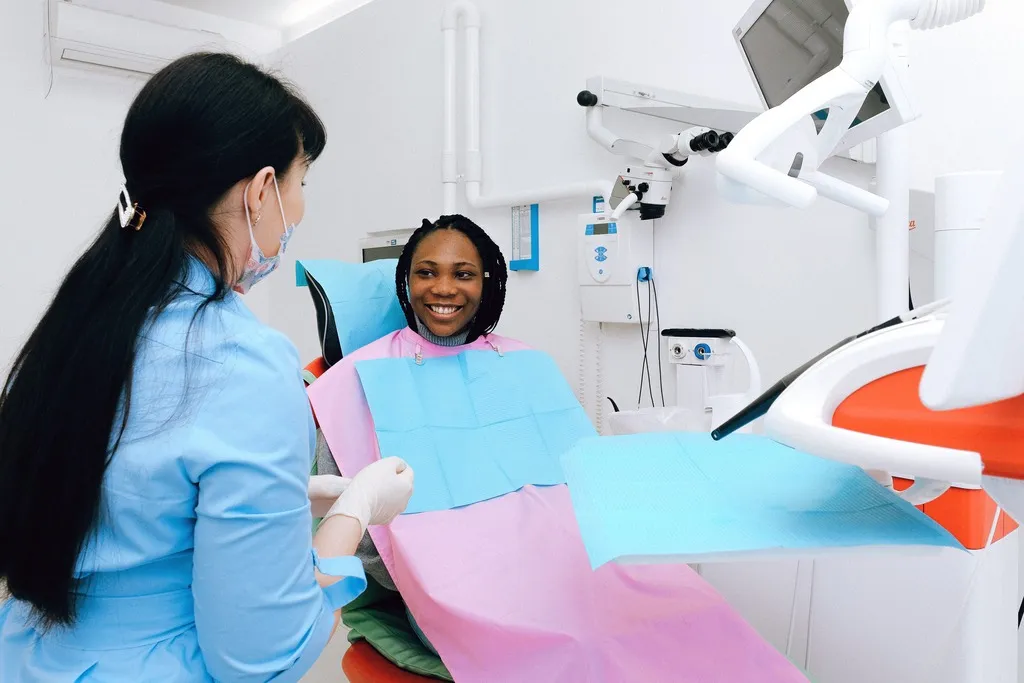
Visiting the dentist can be a nerve-wracking experience for many people. However, asking questions during your dental appointment is crucial for ensuring that you have the information you need to take care of your oral health. It is important to ask questions at the dentist to better understand any recommended procedures or treatments, address any concerns or fears, and learn how to care for your teeth and gums at home properly.
By asking questions, you can also empower yourself to make informed decisions about your dental care and overall well-being. Therefore, being proactive and engaging in open communication with your dentist can ultimately lead to better oral health outcomes.
Who should be asking questions?
When it comes to dental care, everyone should feel empowered to ask their dentist questions. Whether you’re going in for a routine cleaning, or a specific treatment, or have unique dental concerns, asking the right questions can help you feel more informed and confident in your dental care. Some top 10 questions to consider might be:
1. What is the best dental hygiene routine for my unique situation?
2. Given my medical history, Are there any specific dental concerns I should be aware of?
3. Can you explain the details of the recommended treatment plan and any potential alternatives?
4. What are the potential risks and benefits of the proposed treatment?
5. How can I maintain good oral health between visits?
6. Are there any dietary or lifestyle changes that could improve my dental health?
7. How can I address any dental anxiety or discomfort during procedures?
8. Are there any specific post-treatment care instructions I should be aware of?
9. Can you help me understand my dental insurance coverage and any out-of-pocket expenses?
10. How often should I schedule follow-up appointments?
By tailoring these questions to your unique situation, seeking clarification, and being open and curious, you can have a more productive and informative conversation with your dentist.
More Questions to ask about Oral Health
Maintaining good oral health is essential for overall well-being. From brushing and flossing to regular dental check-ups, there are a lot of factors to consider when it comes to keeping our mouths healthy. In this article, we’ll answer common questions about oral health, offering helpful tips and information to ensure your smile stays bright and your mouth healthy. Whether you’re concerned about cavities, or gum disease, tooth sensitivity, or simply want to improve your oral hygiene routine, we’ve got you covered. Let’s dive into some of the most pressing questions about oral health and arm ourselves with the knowledge needed to maintain a healthy and happy mouth.
What can I do to improve my oral health routine?
To improve your oral health routine, start by using fluoride toothpaste when brushing your teeth twice a day. You may consider a prescription strength fluoride toothpaste like Clinpro but you will need to ask for that from your dentist.
Make sure to use the correct brushing technique by holding the toothbrush at a 45-degree angle and using gentle, circular motions. Also, don’t forget to floss daily to remove plaque and food particles between your teeth.
Incorporating a fluoride mouthwash into your routine can also help to strengthen enamel and prevent cavities. Limiting sugar consumption, particularly sugary snacks and drinks, can also reduce the risk of tooth decay. Instead, focus on maintaining a balanced diet rich in fruits, vegetables, and calcium-rich foods to promote strong teeth and healthy gums.
If you are a smoker, taking steps to quit can greatly improve your oral health and reduce the risk of gum disease, tooth loss, and oral cancer. Along with these actions, be sure to schedule regular dental check-ups and cleanings to maintain a healthy smile. By following these steps and making these lifestyle changes, you can significantly improve your oral health routine and promote a healthier mouth.
How often should I come in for a check-up?
We all know the standard recommendation of scheduling a dentist appointment two times per year. But did you know that you may need to schedule your dental checkups more often? It is important to take into consideration your oral hygiene, lifestyle habits, and overall health when determining the frequency of your visits. If you haven’t been diligent with your oral hygiene routine, including brushing and flossing twice daily, and you you struggle to make efforts to improve your dietary habits you may need to visit your dental office more often.
If you are fortunate to have dental insurance that covers more than the traditional two visits per year you want to make sure you are taking full advantage of that benefit in order to maintain optimal oral health. You may benefit from more regular fluoride treatments, dental cleanings, or other preventative care than the standard 6 month intervals.
What are the signs of gum disease?
Gum disease, also known as periodontal disease, can present a variety of signs that indicate potential issues with gum health. These signs include red or swollen gums, bleeding while brushing or flossing, receding gums, persistent bad breath, and loose teeth.
Red or swollen gums are one of the early signs of gum disease, often accompanied by tenderness or pain. Bleeding while brushing or flossing is also a common indicator of gum disease, as healthy gums should not bleed easily. Receding gums, where the gum line begins to pull back from the teeth, can also be a sign of gum disease. Persistent bad breath that doesn’t improve with oral hygiene can be a result of the bacteria associated with gum disease. Loose teeth, or a change in how teeth fit together when biting, can also indicate advanced gum disease.
If any of these signs are present, it’s important to promptly address them with your dentist. Early intervention and treatment can help prevent further complications and damage to the gums and teeth. Regular dental exams and good oral hygiene can also help prevent gum disease from developing.
Am I at risk for any dental issues?
Several factors can put you at risk for dental issues. Hereditary factors may contribute to a predisposition for certain dental conditions such as gum disease or tooth decay. Poor oral hygiene practices, such as infrequent brushing and flossing, can also increase the risk of developing dental issues. Harmful habits like smoking or teeth grinding can further exacerbate the risk of dental problems.
It’s important to also consider your overall physical health when assessing your risk for dental issues. For example, individuals who are pregnant or have diabetes may be at a higher risk for conditions such as gingivitis or periodontal disease.
To fully understand your risk for dental issues, discussing these factors with your dentist is essential. They can provide personalized insights into the specific dental conditions you may be at risk for and offer guidance on how to mitigate these risks. By understanding your individual risk factors, you can take proactive steps to maintain good oral health and prevent potential dental issues. Consider this list of questions during your next dentist appointment.
What Does This Pain, Sensation, or Discoloration Mean?
If you are experiencing any dental pain, sensation, or discoloration, it is important to communicate these symptoms to your dentist during your next visit. Dental pain or sensitivity and tooth discoloration can be signs of underlying dental issues that require attention. It could indicate anything from tooth decay, gum disease, or tooth infection to enamel erosion or dental trauma. Explaining your symptoms to your dentist enables them to accurately diagnose and treat the problem.
Ignoring these warning signs can lead to further complications and potentially more severe oral health issues. It is essential to create a treatment plan with your dentist to address any concerns or worries related to your dental health, such as sensitive teeth or changes in the color of your teeth. This may involve treatments such as dental fillings, root canals, or professional teeth whitening, depending on the underlying cause of the symptoms. By working with your dentist to address these issues, you can ensure your teeth and gums’ long-term health and well-being.
How Can I Improve the Whiteness of My Teeth?
There are several options for improving the whiteness of your teeth.
At-home whitening kits are a popular choice, which typically involves using a bleaching gel and custom-made trays to brighten your teeth over a period of time.
Professional in-office whitening is another option, during which a dental professional applies a stronger bleaching agent and uses specialized equipment to achieve faster and more dramatic results.
For more severe discoloration or damage, composite bonding can be used to cover stains and fill in gaps, giving the appearance of whiter teeth.
Veneers, which are thin, custom-made shells covering the teeth’ front surface, can also be a long-lasting solution for achieving a brighter, more uniform smile.
Regardless of the method chosen, it is crucial to maintain regular dental visits and proper oral hygiene to keep your teeth looking their best.
Professional cleanings and check-ups can help prevent staining and catch any issues early on.
Good oral hygiene habits such as brushing, flossing, and avoiding stain-causing foods and drinks are also essential for maintaining whiter teeth.
Should I be using different tools and products for home hygiene?
There are many different types of toothbrushes and dental tools on the market that you can buy. Some of these include Sonicare and Oral B and Voom. Waterpiks are another new tool that your dentist may recommend for you as well.
Before you spend a bunch of money on a fancy new toothbrush, get a recommendation from your dentist. Chances are they may be able to recommend a reliable toothbrush without all the marketing jargon and reviews you have to deal with by searching online.
By discussing this with your dentist, you can understand the tools and products best suited for your home hygiene routine. This will also help to ensure that you are doing all that you can to maintain your oral health and protect your beautiful smile.
Are there any changes in my mouth I should be aware of?
As part of your regular dental hygiene routine, it’s important to be aware of any changes in your mouth that could be signs of gum disease or other oral health issues. Keep an eye out for puffy or swollen spots along your gums and any signs of bleeding, tenderness, or changes in the color and texture of your gums. Loose teeth can also be a sign of gum disease.
If you have noticed any of these symptoms, it’s important to schedule an appointment with your dentist to address the issue. Your dentist may have identified problem areas during your check-ups, such as areas of plaque buildup or signs of early gum disease. They can provide recommendations for preventative measures and steps you can take to improve your dental hygiene and address these issues.
To prevent gum disease and other oral health risks, make sure to brush and floss regularly, use mouthwash, and schedule regular dental check-ups and cleanings. Proper oral care and hygiene can help prevent and address changes in your mouth that could be signs of gum disease or other dental health issues.
Are there any specific foods or habits that could be contributing to my dental issues?
There are several specific foods and habits that could be contributing to your dental issues. Consuming sugary and acidic foods and beverages such as soda, candy, and citrus fruits can lead to tooth decay and erosion. Snacking frequently throughout the day, especially on sugary or starchy foods, can also increase your risk of developing cavities. Limiting these foods and practicing good oral hygiene habits such as brushing twice a day, flossing daily, and visiting your dentist regularly is important.
Your daily oral care routine may also impact your dental health. Using a toothbrush with hard bristles or brushing too aggressively can cause damage to your teeth and gums. It’s important to use a soft-bristled toothbrush and apply gentle pressure while brushing to avoid irritation. Furthermore, not flossing regularly can contribute to plaque buildup and gum disease.
Overall, being mindful of the specific foods you consume, avoiding harmful habits, and maintaining a consistent oral care routine is crucial for promoting good oral health and preventing dental issues.
Do You Foresee Future Problems?
During your regular dental check-up, it’s important to discuss any concerns you may have about potential future dental problems with your dentist. Issues such as weakened enamel and impacted wisdom teeth are common concerns that can significantly impact your oral health if not addressed proactively.
When discussing these concerns with your dentist, it’s crucial to ask for their advice on preventative measures and lifestyle changes to reduce your risk of developing these issues in the future. This may include recommendations for proper oral hygiene practices, dietary changes to support enamel health or proactive monitoring of wisdom teeth development.
By addressing these potential future dental problems with your dentist, you can work together to create a proactive plan to maintain your oral health and reduce the likelihood of these issues arising. It’s important to prioritize these discussions during your check-ups to stay ahead of any potential problems and ensure a healthy smile for years to come.
Questions about Finances and Insurance Coverage
When it comes to managing your finances and protecting your assets, there are a multitude of questions that often arise. From understanding the ins and outs of insurance coverage to making informed decisions about investments and retirement planning, navigating the world of finances can be overwhelming.
In this section, we will address some common questions that individuals may have regarding their finances and insurance coverage, providing clarity and guidance on how to best manage and protect their financial well-being. Whether it’s understanding the different types of insurance available, how to budget effectively, or planning for unexpected expenses, we will explore the various facets of financial management and insurance to help individuals make informed decisions for their future. So, let’s dive into the world of finances and insurance coverage to better understand how to achieve financial stability and security.
What type of insurance coverage do you accept at your office?
At Oyler Dentistry, we accept a variety of insurance plans to help accommodate our patients’ needs. We are in-network with major dental insurance providers such as Delta Dental, Cigna, and MetLife, allowing for seamless coverage for our patients with these plans. In addition, we also accept other major providers such as Aetna, UnitedHealthcare, and Guardian, although coverage may vary depending on the specific plan.
For our patients with out-of-network coverage, we offer our VIP Savings Plan. Our available options allow you to choose a plan that covers a range of services based on your needs and your family size. Check out our options on our VIP Savings Plan page to learn more.
It’s important to note that each insurance plan may have specific details or restrictions, so we recommend reaching out to our office or your insurance provider directly to confirm coverage before your appointment. We strive to make the insurance process as easy as possible for our patients and are happy to assist with any questions or concerns related to insurance coverage.
How much does a typical check-up cost, and what does it include?
A typical check-up cost can vary depending on the healthcare provider and location, but the average cost ranges from $100 to $300.
A standard dental appointment includes a comprehensive oral exam, cleaning, and x-ray. During the appointment, your dentist will assess your oral health and look for any signs of tooth decay, gum disease, or other oral health issues. Your dentist will also take the time to educate you on proper brushing and flossing techniques and make sure you understand the importance of good oral hygiene.
The most overlooked part of your regular checkups is the opportunity to ask specific dental questions about your teeth. Having a list of questions ready before you go see your dentist will help you take advantage of all of the potential benefits and services your dentist can offer your.
Are Payment Plans Available?
At Oyler Dentistry, we want to make sure that everyone can have a beautiful smile full of healthy teeth. We know that some procedures may be more expensive that you are prepared to pay for. That is why we offer payment plans through The team at Oyler Dentistry would love to meet you. You can request an appointment through our website by clicking this link here!.
So there is no reason to deal with tooth pain, crooked teeth, sensitivity, missing teeth. The team at Credit Care can offer a variety of financing options that can provide the peace of mind that you need. You can always call our office to learn more.
Questions about Treatment Options and Plans
When faced with a medical condition, it’s important to understand the various treatment options and plans available. This can often be a complex and overwhelming process, as numerous factors must be considered when deciding on the best course of action. From understanding the different treatment options to creating a personalized plan, it’s crucial to ask the right questions and gather all the necessary information to make informed decisions about your health. These questions can help you navigate the various options and plans, ensuring you receive the best care possible.
What treatment options are available for my particular issue(s)?
Based on your dental issue, the available treatment options recommended by your dentist may include dental fillings, dental crowns, root canal therapy, or extraction. The pros and cons and estimated costs for each option are as follows:
Dental fillings are a cost-effective and minimally invasive option, with an estimated cost of $50-$300 per filling. However, they may need to be replaced over time.
Dental crowns are a more durable option, estimated at $500-$3000 per crown, but they require more tooth reduction.
Root canal therapy saves the natural tooth but can be costly, with an estimated cost of $500-$3000 per tooth.
Extraction is the most affordable option, but it will require replacing the missing tooth, which can be costly in the long run.
It’s important to ask your dentist about the urgency of the treatment and whether there are alternative options that can buy you some time to save money. You may also inquire about options for correcting dental misalignments, such as Invisalign, clear braces, or dental veneers, and their pros, cons, and estimated costs. It’s essential to discuss all available treatment options with your dentist to make an informed decision based on your specific situation.
How long will each treatment take and what is the recovery process like afterwards?
The length of each treatment and recovery process varies depending on the specific issue being addressed. For example, a dental implant procedure typically takes around 6-8 months from start to finish, including the initial surgery, healing time, and placement of the crown. The recovery process involves temporary solutions such as a temporary crown or bridge while the implant heals. On the other hand, a teeth whitening treatment usually only takes about 1-2 hours, with minimal recovery time and no temporary solutions needed.
Cost and potential temporary solutions also vary between treatments. For example, dental implants are more costly than teeth whitening and may require temporary solutions such as a temporary crown or bridge. As for alternative options, dental implants can be replaced with bridges or dentures, while teeth whitening can be done at home with over-the-counter products.
It’s important to discuss the treatment time, recovery process, cost, temporary solutions, and alternative options with a dental professional to determine the best course of action for each individual’s needs.
Make sure you are ready to ask the right questions when you see your dentist.
Your time is valuable, and so is your dentist’s time. So be prepared to ask the right questions. From ways to improve your home hygiene routine, to better understanding your treatment options, there are lots of things you can learn from your dentist. Make the most of your visits by having the right questions on hand. Hopefully this guide helps you come up with some great questions for your next dental appointment.
Are you looking for a dentist in Indianapolis? The team at SmileVibe Dental would love to meet you. You can request an appointment through our website by clicking this link here!